
Foods and Habits That Impact Teeth Whitening and Prevent Stains
Foods and Habits That Impact Teeth Whitening and Prevent Stains
Author
superadmin
Share
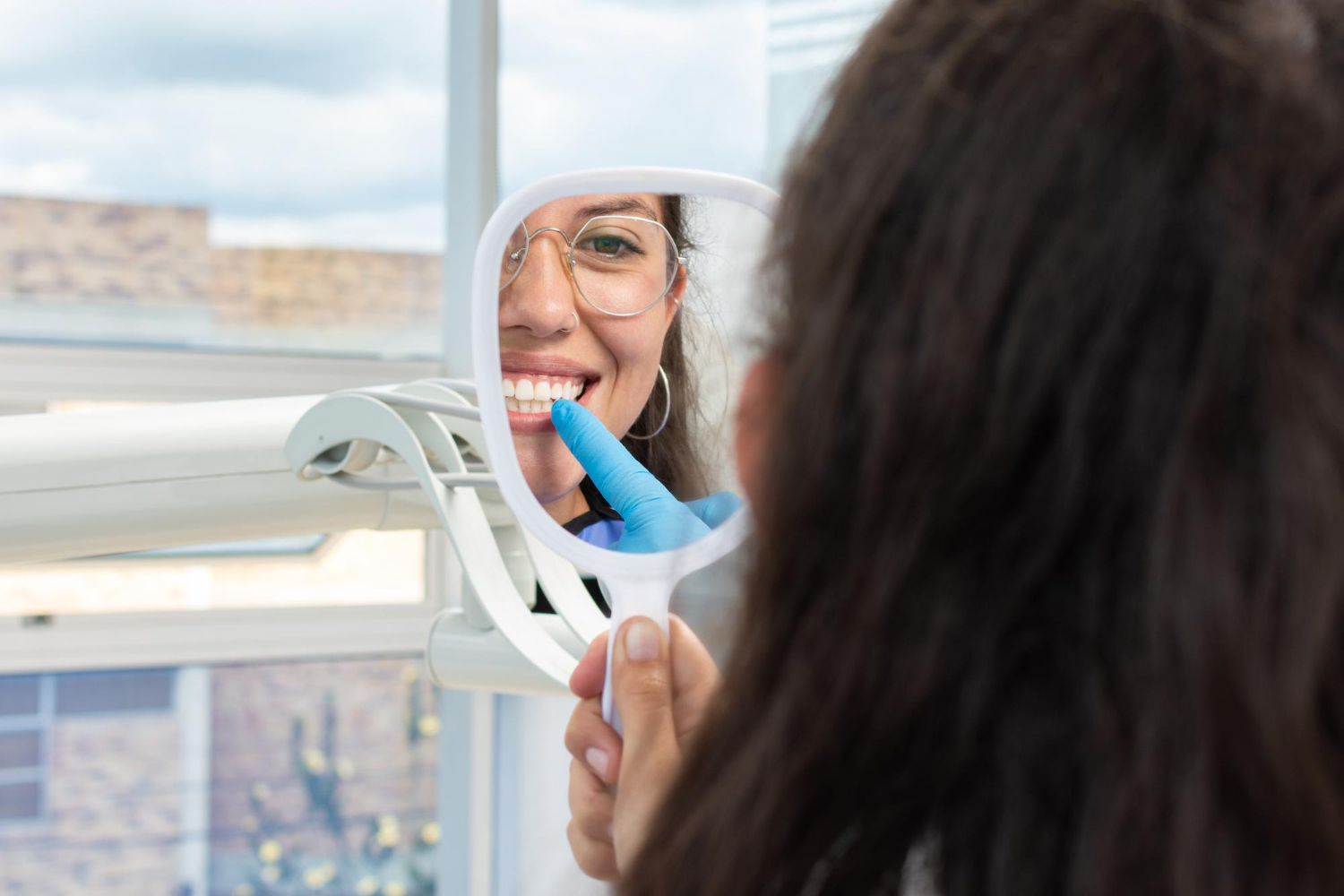
Teeth whitening can deliver dramatic results, but keeping teeth white is where most people struggle. Stains don’t come back by accident. They return because of everyday foods, drinks, and habits that slowly undo whitening, often faster than expected. Coffee, wine, sauces, snacking, and even brushing at the wrong time all play a role.
The good news is that protecting whitening results does not require cutting out everything you enjoy. It requires understanding which foods stain the most, how staining actually happens, and which habits quietly make it worse. With a few practical adjustments, most people can keep their teeth noticeably whiter for much longer.
How Teeth Whitening Works
What Whitening Does And Doesn’t Do
Teeth whitening works by lifting discoloration from the tooth structure, not by coating teeth with a protective layer. Whitening can brighten your smile dramatically, but it does not create “stain-proof” enamel. Once the treatment is complete, your teeth remain exposed to the same stain-causing foods, drinks, and habits that darkened them in the first place. That’s why teeth can re-stain quickly after whitening, especially if you go right back to daily coffee, tea, red wine, or dark sauces.
Surface Stains And Deeper Discoloration
Surface stains sit on the enamel and are usually caused by foods and drinks with heavy pigments, such as coffee, wine, berries, and tomato-based sauces. These stains often respond well to whitening and professional cleanings. Deeper discoloration is more internal and can come from aging, certain medications, or enamel thinning. Whitening can still improve it, but results may be more gradual and harder to maintain if the enamel is worn or naturally more porous.
Why Freshly Whitened Teeth Stain More Easily
Freshly whitened teeth can stain more easily right after treatment. This is often called the “post-whitening window.” During the first 24 to 48 hours, pigments can settle in faster, which is why dentists typically recommend avoiding dark foods and drinks immediately after whitening.
The Biggest Food and Drink Stain Offenders
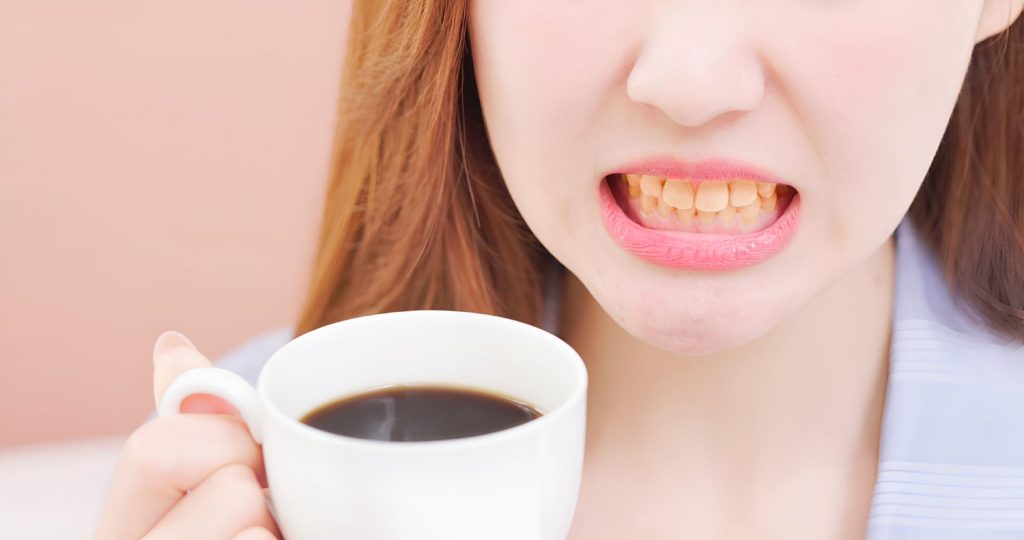
If you want teeth whitening to last, you need to know which foods and drinks stain the fastest. The biggest offenders usually fall into three categories: dark pigments, acidic drinks, and foods that increase plaque buildup.
Dark Beverages That Stain Teeth Fast
Coffee and espresso are some of the most common reasons whitening fades quickly. Coffee contains dark pigments that cling to enamel, and the biggest issue is usually the habit, not the size of the drink.
- Why daily coffee is one of the biggest whitening killers
- Strong pigments settle into the enamel texture over time
- Coffee is often consumed daily, so staining is constant
- How frequency matters more than quantity
- One cup quickly is less damaging than sipping for hours
- All-day exposure gives stains more time to attach
Tea is another major offender, and many people underestimate it.
- Why tea can stain as much as coffee
- Black tea stains heavily, but green tea and matcha can also stain
- Tannins in tea make stains stick and become harder to remove
Red wine is one of the strongest stain-causing drinks because it combines pigment and acidity.
- Why it stains and why it’s hard to remove
- Dark color settles into enamel quickly
- Acidity weakens enamel slightly, which makes pigment cling more aggressively
Cola and other dark sodas are a double problem.
- Staining plus enamel erosion from acidity
- Dark coloring stains enamel
- Acid wears enamel down, which increases future staining
Acidic Drinks That Weaken Enamel And Make Stains Stick
Some drinks don’t stain directly, but they still ruin whitening results by weakening enamel first.
- Citrus drinks and juices
- Sports drinks and energy drinks
- Kombucha
- Sparkling water with citrus flavoring
Key point to cover:
- Acid doesn’t always stain directly, but it softens enamel and makes staining easier, especially when paired with coffee, tea, wine, or dark sauces later in the day.
Foods With Deep Pigments That Cling To Enamel
Many foods stain teeth because they contain strong natural or artificial pigments, and some are also acidic.
- Tomato-based sauces: Pasta sauce, pizza sauce, salsa, ketchup
- Berries: Blueberries, blackberries, raspberries, cherries
- Beets
- Soy sauce, balsamic vinegar, and dark marinades
- Curry and turmeric
What to cover:
- These foods can stain quickly, especially when eaten frequently or paired with acidic drinks that weaken enamel.
Snacks And Sweets That Increase Staining Indirectly
Sticky candy and sugary snacks don’t always stain directly, but they create the conditions that make stains more noticeable.
- Sticky candy and sugary snacks increase plaque buildup
- Sugar feeds bacteria that produce acids
- Plaque traps pigments, which makes stains more visible and harder to remove
- Frequent snacking creates “all-day exposure,” which speeds up discoloration even if the diet seems relatively healthy
Habits That Ruin Teeth Whitening Results

Even people who avoid obvious stain-causing foods can see whitening fade quickly if certain habits are working against them. These habits often cause more damage than a diet alone.
Smoking And Tobacco Products
Tobacco is one of the fastest ways to undo teeth whitening.
- Cigarettes, cigars, vaping, and hookah all introduce dark compounds that cling aggressively to enamel
- Chewing tobacco causes deep, uneven staining that is difficult to remove with whitening alone
- Tobacco stains penetrate quickly and tend to return faster after whitening
- Whitening results are often short-lived unless tobacco use is reduced or stopped, even with professional treatments
Poor Brushing Timing
Brushing at the wrong time is a common and overlooked mistake.
- Brushing immediately after acidic foods or drinks can worsen enamel wear
- Acid temporarily softens enamel, and brushing too soon can spread stains and thin enamel further
- Thinner enamel makes teeth look darker and stain more easily over time
Better approach:
- Rinse with water after acidic foods or drinks
- Wait 30 minutes before brushing to allow enamel to re-harden
Inconsistent Brushing And Flossing
Daily hygiene plays a major role in how long whitening lasts.
- Plaque traps pigments from food and drinks, making stains more noticeable
- Teeth can look dull or yellow even if they were recently whitened
- Flossing removes plaque between teeth, where stains often build up first
Talking point:
- Whitening results look worse when plaque is present, even if the tooth color hasn’t actually changed
Skipping Regular Cleanings
Professional cleanings are a key part of whitening maintenance.
- Cleanings remove surface stains, but whitening can’t fully address
- Plaque and tartar buildup make stains return faster
- Regular cleanings help whitening results last longer and look more even
Frequent Snacking And Sipping
How often you eat or drink matters more than what you eat.
- “All day exposure” stains more than one meal or drink
- Constant contact gives pigments and acids more time to affect the enamel
Practical Ways to Keep Teeth White Without Giving Up Everything

Keeping teeth white does not require eliminating coffee, wine, or your favorite foods. It comes down to smart habits, better timing, and realistic substitutions that reduce staining without making daily life miserable.
The “Smart Habits” That Reduce Staining Immediately
Small changes make a noticeable difference, especially when done consistently.
- Rinse with water after staining foods and drinks
- Helps wash pigments off enamel before they settle
- Use a straw for iced coffee, tea, and other dark beverages
- Reduces direct contact with front teeth
- Drink staining beverages faster rather than sipping for hours
- Shorter exposure means less staining
- Pair staining foods with non-staining foods
- Examples:
- Water with coffee
- Cheese with wine
- Crunchy vegetables to help mechanically clean teeth
- Examples:
Better Timing for Brushing
When you brush matters just as much as how often you brush.
- After coffee or dark drinks:
- Rinse with water
- Wait, then brush later
- After acidic drinks:
- Wait at least 30 minutes before brushing
Why this matters:
- Acid temporarily softens enamel
- Brushing too soon can wear enamel down
- Thinner enamel stains faster and looks darker over time
Whitening-Friendly Alternatives That Still Feel Normal
You don’t need extreme swaps, just smarter ones.
- Light roast coffee instead of dark roast (optional)
- White wine instead of red wine
- Clear sodas instead of cola (still acidic, but less staining)
- Lighter sauces instead of heavy tomato-based sauces
Note:
- These swaps are not always healthier
- They are simply less likely to stain teeth
Daily Hygiene Habits That Protect Whitening Results
Daily care plays a major role in how long whitening lasts.
- Electric toothbrush vs manual
- More effective plaque removal for most people
- Whitening toothpaste
- Helps manage surface stains
- Not a replacement for professional whitening
- Flossing and interdental cleaning
Removes plaque where stains often build first - Alcohol-free mouthwash
- Less drying
- Better for long-term enamel and gum health
When Stains Aren’t From Food
Not all discoloration is caused by coffee, wine, or dark foods. Some staining is internal, which means whitening may help, but it may not fully correct the problem, or it may fade faster than expected.
Common Non-Food Causes of Discoloration
There are several reasons teeth can look yellow, gray, or uneven, even when someone has good habits.
- Aging and enamel thinning
- As enamel wears down over time, the darker dentin underneath becomes more visible
- Teeth may look more yellow, even with great hygiene
- Certain medications
- Some medications can cause deeper discoloration that whitening cannot fully lift
- Some medications can cause deeper discoloration that whitening cannot fully lift
- Past dental trauma
- A tooth that has been hit or injured can darken internally, sometimes years later
- Excess fluoride staining
- Can cause white spots or uneven coloration that doesn’t respond normally to whitening
When to Consider Other Cosmetic Options
If discoloration is stubborn or uneven, whitening may not be the best solution by itself.
- Bonding for stubborn discoloration
- Can cover areas that don’t whiten evenly
- Useful for small cosmetic corrections and spot issues
- Veneers for long-term cosmetic correction
- Often chosen when discoloration is deep, uneven, or combined with shape concerns
- Professional guidance vs DIY guesswork
- Prevents wasting money on products that won’t work for the type of discoloration
- Reduces the risk of over-whitening, sensitivity, and enamel wear
Keep Your Whitening Results Longer With Simple, Consistent Habits
Teeth whitening lasts longer when you control exposure, timing, and maintenance. Dark drinks, acidic beverages, and certain foods can quickly re-stain teeth, but most people don’t need to give them up completely. The real difference comes from smarter habits, better timing for brushing, and consistent hygiene.
Professional guidance also matters. It helps you choose the right whitening method, avoid unnecessary sensitivity, and create a realistic maintenance plan that keeps your smile bright without constant re-whitening.
Ready to get started? Book an appointment, request a whitening evaluation, or ask about custom take-home trays and simple touch-up options to keep your teeth white year-round.
FAQs
What foods stain teeth the fastest after whitening?
The biggest offenders are foods and drinks with dark pigments and strong color. Coffee, tea, and red wine stain quickly, especially when consumed daily. Tomato-based sauces, curry, and turmeric also cause noticeable staining because they are both dark and acidic. Berries, including blueberries and blackberries, can re-stain teeth fast when eaten frequently, particularly in the first few days after whitening.
How long should I avoid coffee after teeth whitening?
Most dentists recommend avoiding coffee for 24 to 48 hours after whitening. During this time, teeth are more vulnerable to absorbing pigments, which makes stains settle faster. Waiting through this window helps protect your results and extend how long whitening lasts.
Can I drink coffee with a straw after whitening?
A straw can help with iced coffee by reducing direct contact with the front teeth. It does not help with hot coffee, since the liquid still flows across the teeth, and heat can soften enamel slightly. A straw is a helpful habit, but not a complete solution.
Does brushing right after coffee prevent stains?
No. Brushing immediately after coffee or acidic drinks can damage enamel and actually make staining worse. The better approach is to rinse with water first, wait about 30 minutes, then brush.
How often should I touch up my whitening?
Most people need touch-ups every 6 to 12 months. Diet, smoking, enamel thickness, and daily hygiene habits all affect how often touch-ups are needed.
Why do my teeth look yellow again, even after whitening?
Teeth can look yellow from surface staining, natural enamel thinning, or changes in brightness rather than actual color. As enamel wears down, the darker dentin underneath shows through, which whitening alone cannot fully correct.