
What Causes Tooth Pain? The Most Common Reasons Behind Dental Pain
What Causes Tooth Pain? The Most Common Reasons Behind Dental Pain
Author
superadmin
Share

Tooth pain can start as a mild annoyance or become a severe discomfort that affects eating, speaking, and even sleeping. Many people attempt to manage tooth pain with over-the-counter pain relievers or by avoiding the tooth that hurts. While this may provide temporary relief, tooth pain is usually a sign that something deeper is happening within the tooth or in the surrounding tissues.
A toothache is not a diagnosis. It is a symptom that signals a problem such as tooth decay, infection, gum disease, a cracked tooth, or pressure from teeth grinding. Ignoring the pain rarely solves the issue. In many cases, the underlying problem worsens until treatment becomes more complex.
Understanding what causes tooth pain can help you recognize when it is time to seek professional care. Early diagnosis often leads to simpler and more comfortable treatment. Patients in Phoenix who experience tooth pain often turn to Dr. Erika Purcell at Phoenician Dentistry. By identifying the source of discomfort and addressing the underlying issue, Dr. Purcell helps patients restore comfort while protecting their long-term oral health.
Understanding How Tooth Pain Happens
The Structure of a Tooth
To understand why tooth pain occurs, it helps to look at a tooth’s structure.
Each tooth has several layers that serve different purposes:
- Enamel is the hard outer layer that protects the tooth from damage and decay.
- Dentin lies beneath the enamel and contains microscopic channels that connect to the tooth’s nerve.
- Pulp is the inner portion of the tooth that contains nerves and blood vessels.
When enamel becomes damaged or worn away, stimuli such as heat, cold, or pressure can reach the dentin and eventually the pulp. Because the pulp contains nerves, irritation in this area can cause noticeable pain.
The closer the damage gets to the pulp, the more intense the discomfort tends to become.
How Dental Nerves React to Damage
Dental nerves are extremely sensitive. When a tooth becomes inflamed, infected, or exposed to sudden temperature changes, the nerves send signals to the brain that we perceive as pain.
Different types of pain can point to different dental problems.
Examples include:
- Sharp pain when drinking something cold may indicate exposed dentin or early decay.
- Lingering pain after drinking something hot may indicate pulp inflammation.
- Pain when biting down can suggest a cracked tooth or infection near the root.
- Throbbing pain may indicate infection or significant inflammation.
A thorough dental exam helps determine exactly what is causing the discomfort.
Tooth Decay: One of the Most Common Causes of Tooth Pain
How Cavities Form
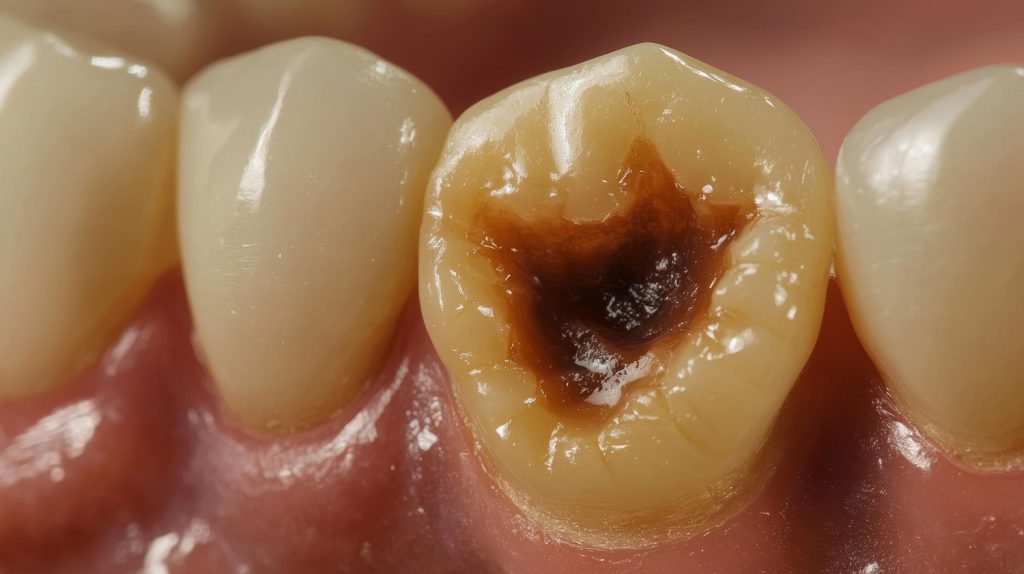
Tooth decay is one of the most common causes of tooth pain.
Cavities develop when bacteria in the mouth combine with sugars and carbohydrates from food. This process produces acids that slowly erode the tooth’s protective enamel layer.
Over time, the decay can move deeper into the tooth:
- Acid weakens and erodes the enamel.
- Decay spreads into the dentin layer.
- Bacteria eventually reach the pulp, causing inflammation and infection.
Once decay reaches deeper layers of the tooth, pain often becomes more noticeable.
Symptoms of Tooth Decay
Common signs of a cavity include:
- Sensitivity to cold, hot, or sweet foods
- Sharp pain when chewing
- Visible pits or dark spots on a tooth
- Bad breath or unpleasant taste in the mouth
- Persistent discomfort in one specific tooth
Early cavities may cause only mild sensitivity, which many people overlook. As the decay progresses, the discomfort typically becomes stronger and more frequent.
How Cavities Are Treated
Treatment depends on the extent of the decay.
Common treatments include:
- Dental fillings for small cavities
- Dental crowns when a large portion of the tooth is damaged
- Root canal treatment if the infection reaches the pulp
If tooth pain is caused by decay, Dr. Erika Purcell at Phoenician Dentistry can evaluate the tooth and recommend the most appropriate treatment to restore its function and relieve discomfort.
Dental Abscess or Infection

What Is a Tooth Abscess?
A dental abscess is a serious infection that forms when bacteria invade the inner portion of a tooth or surrounding gum tissue.
This infection creates a pocket of pus that can build pressure inside the tooth or jaw.
Abscesses commonly occur when:
- Cavities are left untreated
- A cracked tooth allows bacteria to enter
- Gum disease creates pockets around the teeth
Without treatment, the infection can spread beyond the tooth.
Symptoms of a Dental Infection
Symptoms of a dental abscess often include:
- Severe throbbing pain
- Swelling in the gums, jaw, or face
- Sensitivity when biting down
- Fever or swollen lymph nodes
- A bad taste in the mouth from a draining infection
Pain from an abscess can be intense and persistent. It often worsens when lying down or chewing.
Treatment for Dental Infections
Treatment focuses on removing the infection and preserving the tooth whenever possible.
Common treatments include:
- Root canal therapy to remove infected tissue from inside the tooth
- Antibiotics if the infection spreads beyond the tooth
- Tooth extraction if the tooth cannot be saved
Patients experiencing signs of infection should seek dental care quickly. Dr. Erika Purcell at Phoenician Dentistry can diagnose the infection and begin treatment to relieve pain and prevent further complications.
Cracked or Fractured Teeth
How Teeth Become Cracked
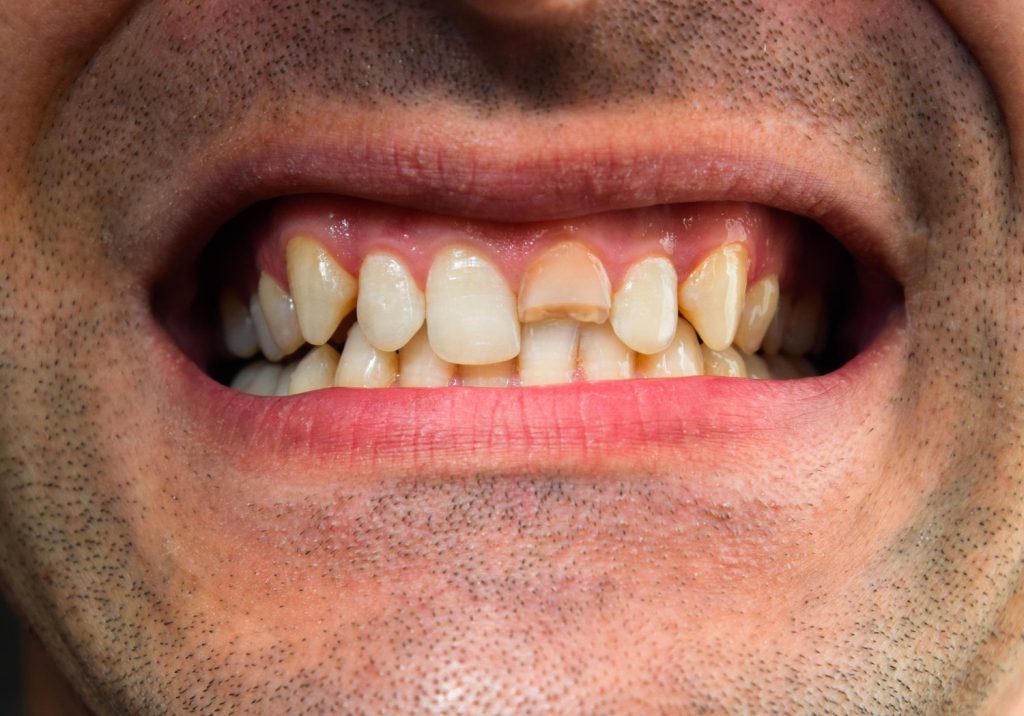
Teeth are strong, but they can still crack under certain conditions.
Common causes include:
- Biting down on hard foods such as ice or nuts
- Accidents or sports injuries
- Teeth grinding or clenching
- Large existing fillings that weaken the tooth structure
Some cracks are visible, while others are so small that only a dentist can detect them.
Symptoms of a Cracked Tooth
Cracked teeth often produce symptoms such as:
- Sharp pain when biting
- Pain that appears and disappears
- Sensitivity to temperature changes
- Discomfort that stops when pressure is released
Because the crack may shift slightly under pressure, the pain can be unpredictable.
Treatment Options
Treatment depends on the severity and location of the crack.
Possible treatments include:
- Dental bonding for small fractures
- Dental crowns to strengthen and protect the tooth
- Root canal therapy if the pulp becomes inflamed
- Tooth extraction if the crack extends below the gumline
Dr. Erika Purcell at Phoenician Dentistry can examine the tooth and determine the best solution to restore strength and eliminate pain.
Gum Disease and Gum Inflammation
How Gum Disease Develops
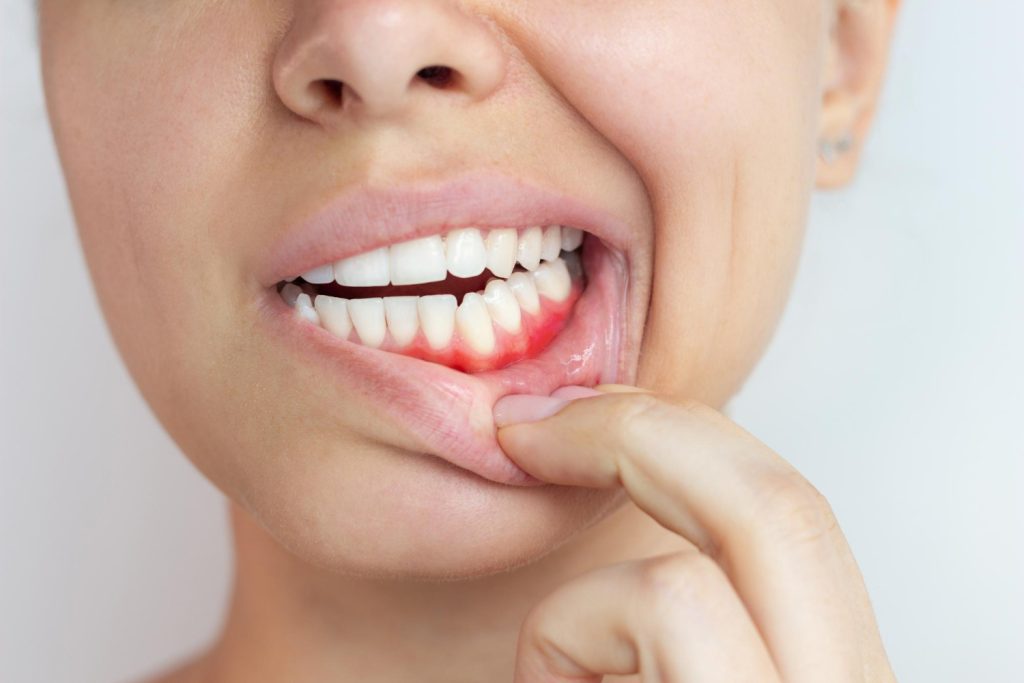
Gum disease begins when plaque accumulates along the gumline.
Bacteria in plaque irritate the gum tissue, causing inflammation. The early stage of gum disease is called gingivitis.
If the condition progresses, it can develop into periodontitis, in which infection damages the gums and the bone supporting the teeth.
Symptoms That May Cause Tooth Pain
Gum disease may produce symptoms such as:
- Swollen or tender gums
- Bleeding during brushing or flossing
- Gum recession that exposes tooth roots
- Loose teeth in advanced cases
When gums recede, the sensitive root surfaces of teeth become exposed. These areas are much more sensitive than enamel and can cause noticeable discomfort.
Treatment for Gum Disease
Treatment options vary depending on the severity of the condition.
Common treatments include:
- Professional dental cleanings
- Scaling and root planing to remove bacteria below the gumline
- Periodontal maintenance visits to control infection
If tooth pain is related to gum disease, Dr. Erika Purcell at Phoenician Dentistry can create a treatment plan to control the infection and protect gum health.
Tooth Sensitivity

Why Teeth Become Sensitive
Tooth sensitivity occurs when dentin becomes exposed.
This exposure may result from:
- Enamel wear
- Gum recession
- Teeth grinding
- Aggressive brushing with a hard-bristle toothbrush
Dentin contains microscopic tubules that lead directly to the tooth’s nerve. When hot or cold foods reach these channels, they stimulate the nerve and produce a sharp pain sensation.
Common Sensitivity Triggers
Common triggers include:
- Cold drinks or ice cream
- Hot coffee or tea
- Sweet foods
- Acidic foods such as citrus fruits
Sensitivity that disappears quickly is often linked to exposed dentin. Pain that lingers may indicate a deeper problem.
Treatment Options
Treatment options for sensitivity may include:
- Desensitizing toothpaste
- Professional fluoride treatments
- Dental bonding to cover exposed areas
- Gum treatments if recession is present
Dr. Erika Purcell at Phoenician Dentistry can determine the cause of sensitivity and recommend solutions to reduce discomfort.
Teeth Grinding (Bruxism)
What Causes Teeth Grinding
Teeth grinding, also called bruxism, often occurs during sleep.
Common causes include:
- Stress and anxiety
- Bite misalignment
- Sleep disorders
- Certain medications
Many people grind their teeth at night without realizing it.
Symptoms of Bruxism
Signs of teeth grinding include:
- Tooth pain or soreness
- Jaw tension
- Frequent headaches
- Flattened or worn teeth
- Increased tooth sensitivity
Repeated grinding places pressure on the teeth and surrounding structures.
Treatment Options
Treatment may include:
- Custom night guards to protect teeth during sleep
- Bite adjustments to improve alignment
- Stress management techniques
- Dental restorations for damaged teeth
Dr. Erika Purcell at Phoenician Dentistry can evaluate signs of grinding and recommend solutions to protect the teeth.
Other Causes of Tooth Pain
Impacted Wisdom Teeth
Wisdom teeth sometimes fail to fully erupt through the gums. When trapped beneath gum tissue or bone, they can cause pressure and pain in the back of the mouth.
Symptoms may include:
- Pain behind the molars
- Swollen gums
- Jaw stiffness
Sinus Infections
Sinus infections can sometimes mimic tooth pain.
The roots of the upper molars sit close to the sinus cavities. When sinuses become inflamed, pressure may cause discomfort in these teeth.
Signs may include:
- Pain in multiple upper teeth
- Nasal congestion
- Sinus pressure
Recent Dental Procedures
Temporary sensitivity can occur after certain treatments, such as:
- Dental fillings
- Teeth whitening
- Dental crowns
This type of sensitivity typically resolves within a few days.
When Tooth Pain Requires Immediate Dental Care
Certain symptoms warrant prompt dental evaluation.
Warning signs include:
- Severe or persistent pain
- Swelling in the gums, jaw, or face
- Fever associated with tooth pain
- Pain when chewing
- Tooth discoloration
- A bad taste caused by infection
Delaying treatment may allow the underlying problem to worsen.
Early diagnosis often leads to simpler treatment and helps prevent tooth loss or serious infection.
Dr. Erika Purcell at Phoenician Dentistry can examine the tooth, identify the cause of the pain, and recommend the appropriate treatment.
Tooth Pain Is Your Body’s Way of Asking for Help
Tooth pain rarely occurs without a reason. It may be caused by cavities, infection, cracked teeth, gum disease, grinding, or other dental conditions. Ignoring tooth pain can allow the problem to progress and become more difficult to treat.
If you are experiencing tooth pain, Dr. Erika Purcell at Phoenician Dentistry provides thorough exams to determine the cause and recommend the most effective treatment.
Scheduling an appointment allows the underlying issue to be diagnosed early, restoring your comfort and oral health.
Frequently Asked Questions
Can a toothache go away on its own?
Sometimes mild sensitivity improves temporarily, but most tooth pain signals an underlying issue that requires dental care.
What is the most common cause of tooth pain?
Tooth decay is one of the most common causes, though infections, cracked teeth, and gum disease can also cause discomfort.
How do I know if my tooth pain is serious?
Pain that is severe, persistent, or accompanied by swelling, fever, or difficulty chewing should be evaluated by a dentist.
Can sinus problems cause tooth pain?
Yes. Sinus pressure can affect the upper molars, causing discomfort that feels like a toothache.
When should I see a dentist for tooth pain?
You should schedule a dental visit if tooth pain lasts more than a day or two, worsens over time, or interferes with eating or sleeping.